
Behind the Scenes: Understanding Data Centre Infrastructure Solutions
- by Spaceone Global Technology Private Limited
Introduction to Data Centre Infrastructure
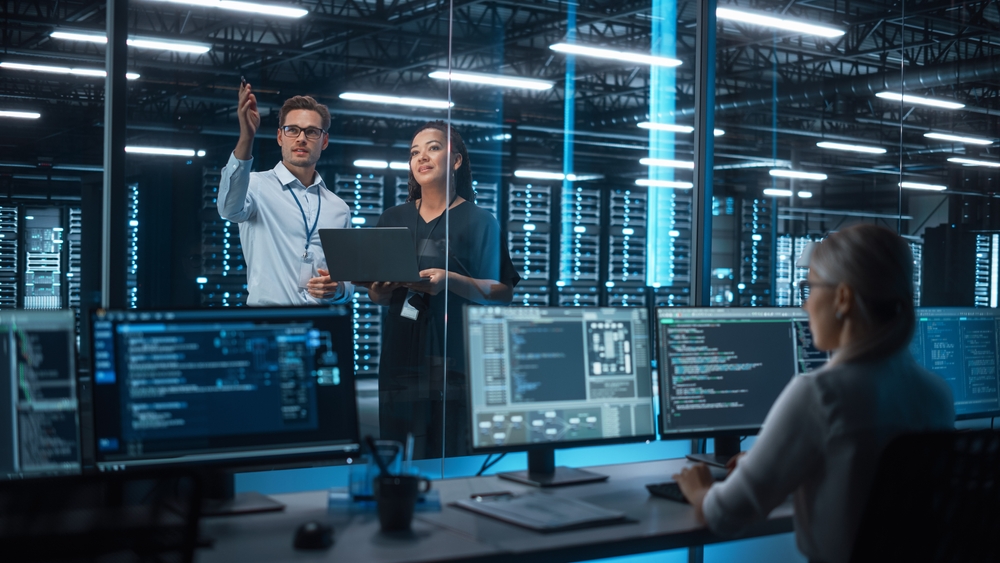
Data centres are large, highly specialized facilities designed to house and support a vast array of computer systems, networking equipment, and storage devices. These facilities require robust infrastructure solutions to ensure uninterrupted operation, efficient power distribution, effective cooling, and robust security measures. Understanding the fundamental components of data centre infrastructure is crucial for organizations seeking to optimize their operations and meet the ever-increasing demand for data processing and storage.
Power Infrastructure
Utility Power
Data centres typically have multiple connections to the utility grid, ensuring redundancy and minimizing the risk of power outages.
Uninterruptible Power Supply (UPS)
UPS systems provide temporary backup power during utility outages, allowing for graceful shutdowns or transitioning to backup generators.
Generators
Backup generators are essential for long-term power continuity, ensuring that data centres can operate independently in case of extended utility outages.
Power Distribution Units (PDUs)
PDUs distribute power from the UPS or generators to the individual racks and equipment within the data centre, ensuring efficient and redundant power delivery.
Cooling Infrastructure
Air Cooling
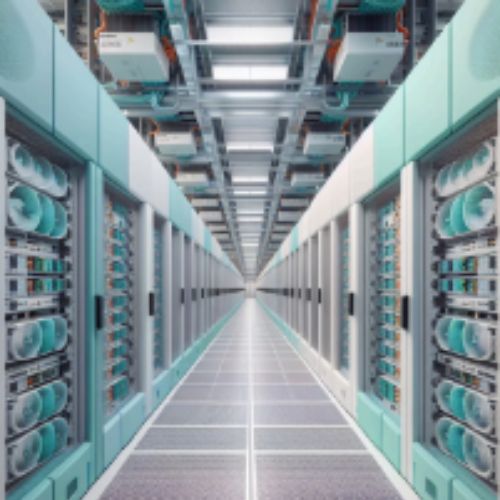
Traditional air cooling systems use Computer Room Air Conditioning (CRAC) units or Computer Room Air Handlers (CRAHs) to circulate chilled air through the data centre.
Liquid Cooling
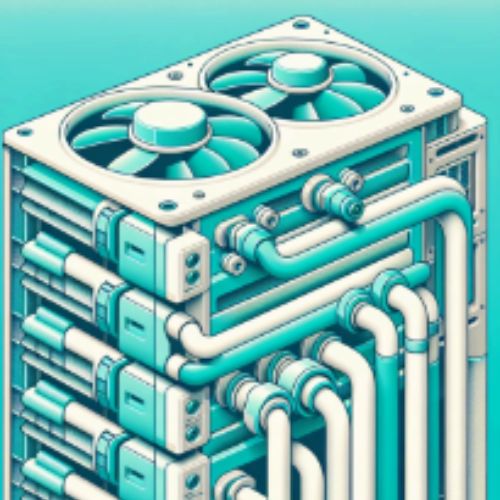
More advanced liquid cooling solutions use chilled water or refrigerant to dissipate heat directly from the servers, offering higher efficiency and density.
Free Cooling
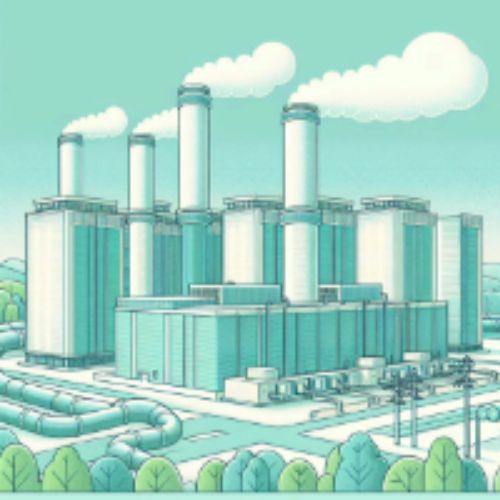
In suitable climates, free cooling systems can leverage outside air or water to reduce the energy required for cooling, improving overall efficiency and sustainability.
Network Infrastructure
01. Routers and Switches
02. Firewalls
03. Load Balancers
03. Load Balancers
04. Cabling Infrastructure
Security Infrastructure
Access Control
Biometric scanners, key cards, and mantraps control and monitor physical access to the data centre premises.
Perimeter Security
Fences, surveillance cameras, and motion detectors secure the perimeter and detect unauthorized access attempts.
Cyber Security
Firewalls, intrusion detection systems, and encryption protocols protect against cyber threats and data breaches.
Disaster Recovery
Comprehensive disaster recovery plans and redundant data backup solutions ensure business continuity in the event of a catastrophic event.
Monitoring and Management
| Data Centre Infrastructure Management (DCIM) | Software solutions that provide a centralized view of all infrastructure components, enabling monitoring, management, and optimization. |
| Environmental Monitoring | Sensors and systems that track temperature, humidity, and other environmental factors to ensure proper cooling and prevent equipment failures. |
| Power Management | Tools and processes for monitoring power usage, load balancing, and optimizing energy efficiency across the data centre. |
| Predictive Maintenance | Using data analytics and machine learning to identify potential equipment failures and schedule preventative maintenance, reducing downtime. |
Scalability and Modularity
Modular Design
Data centres are often constructed using modular components, such as prefabricated electrical and mechanical rooms, enabling faster deployments and easier scalability.
Containerized Solutions
Containerized data centres, which are self- contained and mobile, offer a flexible and rapidly deployable solution for temporary or remote data centre needs.
Virtualization
Virtualization technologies allow for efficient resource utilization and dynamic scaling of computing resources, maximizing the use of existing infrastructure.
Capacity Planning
Careful capacity planning and forecasting ensure that data centre infrastructure can accommodate future growth in computing, storage, and networking requirements.
Energy Efficiency and Sustainability
Renewable Energy
Incorporating renewable energy sources, such as solar panels or wind turbines, can offset the data centre's carbon footprint and reduce reliance on fossil fuels.
Efficient Cooling
Advanced cooling technologies, such as liquid cooling and free cooling, can significantly reduce the energy required for cooling, which accounts for a substantial portion of a data centre's energy consumption.
Waste Heat Utilization
Capturing and repurposing the waste heat generated by data centres can provide heating for nearby buildings or industrial processes, reducing overall energy consumption.
Data Centre Site Selection
Power Availability
Access to reliable and redundant power sources, such as multiple utility grids or nearby power plants, is essential for ensuring uninterrupted operations.
Network Connectivity
Proximity to major internet exchange points and network service providers can reduce latency and improve data transfer speeds.
Environmental Factors
Climate conditions, risk of natural disasters, and availability of cooling resources (water, ambient air) can influence the efficiency and reliability of the data centre.
Regulatory Compliance
Local regulations, zoning laws, and tax incentives can impact the feasibility and operational costs of a data centre in a particular location.
Data Centre Tiers and Uptime
Data centres are classified into different tiers based on their level of redundancy, fault tolerance, and
uptime capabilities. These tiers, defined by organizations like the Uptime Institute, provide a
standardized framework for evaluating a data centre’s infrastructure and reliability:
Tier I | Basic infrastructure with a single non- redundant path for power and cooling, expected uptime of 99.671%. |
Tier II | Redundant components for power and cooling, with planned maintenance downtime, expected uptime of 99.741%. |
Tier III | Concurrent maintainable infrastructure with redundant paths for power and cooling, expected uptime of 99.982%. |
Tier IV | Fault-tolerant infrastructure with fully redundant and compartmentalized paths, expected uptime of 99.995%. |
Data Centre Infrastructure Management (DCIM)
Centralized Monitoring
Real-time monitoring and visualization of all infrastructure components, including power, cooling, networks, and physical assets.
Analytics and Reporting
Data aggregation and analysis for identifying trends, optimizing resource utilization, and generating reports for compliance and planning purposes.
Automation and Control
Automated workflows and orchestration capabilities for tasks such as provisioning, load balancing, and fault remediation.
Asset Lifecycle Management
Tracking and managing the lifecycle of physical assets, including deployment, maintenance, and decommissioning.
Data Centre Certification and Standards
TIA-942
The Telecommunications Industry Association (TIA) 942 standard defines requirements for data centre telecommunications infrastructure, including structured cabling, grounding, and bonding.
ANSI/BICSI 002
The ANSI/BICSI 002 standard provides best practices for data centre design and construction, covering areas such as site selection, architectural design, and infrastructure requirements.
LEED Certification
The Leadership in Energy and Environmental Design (LEED) certification program evaluates and certifies data centres based on their energy efficiency and environmental sustainability.
Data Centre Security Best Practices
Physical Security
Access control systems, surveillance cameras, perimeter fencing, and security personnel to prevent unauthorized physical access to the data centre.
Cyber Security
Firewalls, intrusion detection systems, encryption protocols, and regular vulnerability assessments to protect against cyber threats and data breaches.
Personnel Security
Background checks, security awareness training, and strict access control policies for data centre personnel to mitigate insider threats.
Disaster Recovery
Comprehensive disaster recovery plans, redundant data backups, and failover sites to ensure business continuity in the event of a catastrophic event.