
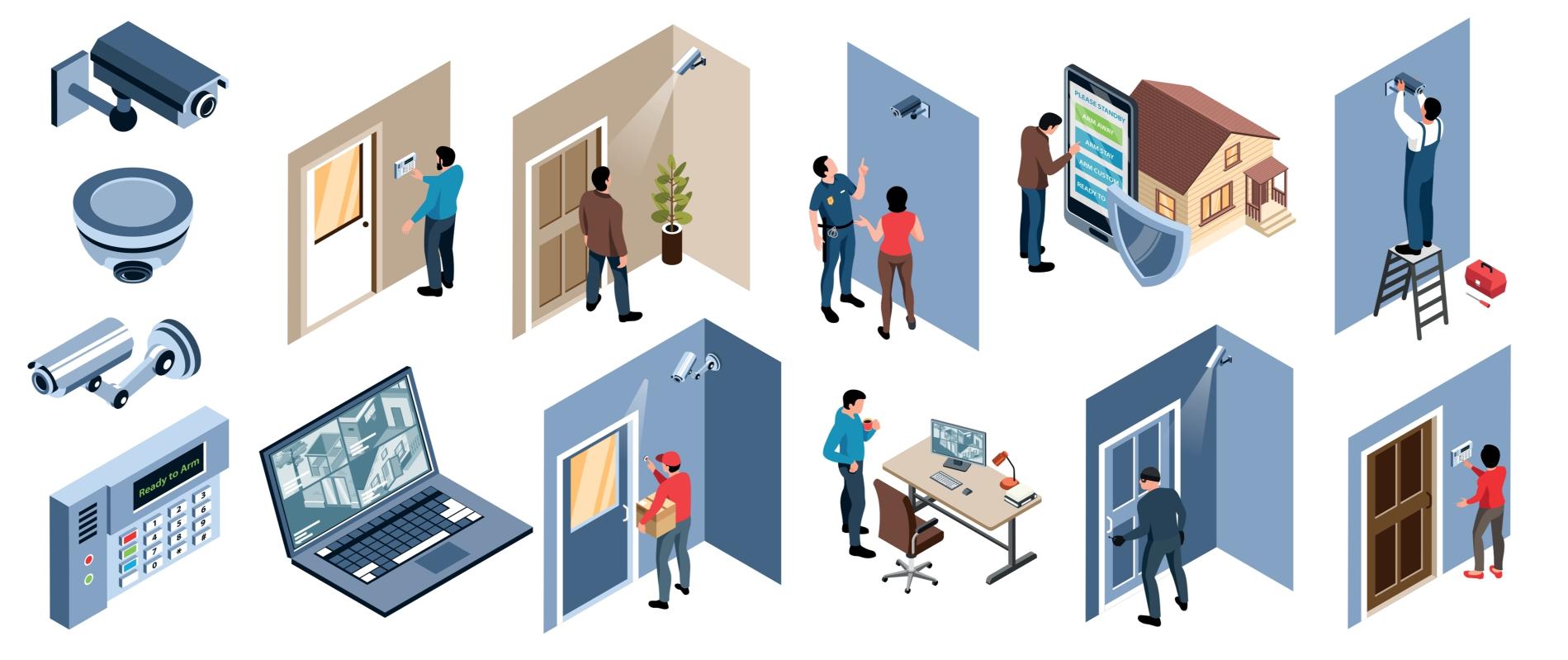
Eyes Everywhere: The Evolution of Surveillance and Video Conferencing
- by Spaceone Global Technology Private Limited
Advancing Surveillance Technologies
The world of surveillance has evolved dramatically, driven by the integration of cutting-edge IP-based cameras and sophisticated analytics. These innovative surveillance systems not only provide unparalleled visual coverage but also harness the power of artificial intelligence to analyze data, detect anomalies, and alert authorities in real-time. With features like facial recognition, object tracking, and license plate identification, modern IP surveillance solutions offer a level of vigilance and responsiveness that was once unimaginable.
Beyond traditional security applications, these advanced surveillance systems find utility in a wide range of industries, from traffic management and retail analytics to public safety and smart city initiatives. By leveraging the capabilities of IP-based cameras and cloud-based
processing, organizations can make data-driven decisions, optimize operations, and enhance the overall safety and efficiency of their environments.
The Rise of Video Conferencing
The COVID-19 pandemic has undoubtedly accelerated the widespread adoption of video conferencing technologies, transforming the way we communicate and collaborate. VC solutions have become an indispensable tool, enabling seamless remote work, virtual classrooms, and global team meetings. With features like screen sharing, real-time annotation, and virtual whiteboards, these platforms have revolutionized the way we exchange ideas, make decisions, and maintain personal connections.
Beyond the immediate need for remote connectivity, VC solutions are also shaping the future of education, healthcare, and business operations. By bridging geographical barriers, these technologies facilitate global partnerships, remote medical consultations, and immersive learning experiences. As the world continues to embrace the digital age, the demand for reliable and feature-rich video conferencing solutions will only continue to grow.
Securing the Connected World
Cybersecurity Considerations
As surveillance and video conferencing systems become more interconnected, cybersecurity has become a critical concern. Ensuring the integrity and privacy of data, as well as protecting against unauthorized access, are paramount in today's digital landscape.
Compliance and Regulations
Organizations must navigate a complex web of compliance regulations, such as GDPR and HIPAA, to ensure the responsible and ethical use of surveillance and VC technologies. Adhering to these guidelines is essential for maintaining trust and safeguarding sensitive information.
Data Privacy and Ethics
The widespread adoption of these technologies raises important questions about data privacy and the ethical use of surveillance. Striking a balance between security, privacy, and transparency is a key challenge that must be addressed to build public trust and confidence.
Embracing the Future of Surveillance and VC
Artificial Intelligence and Machine Learning
The integration of AI and ML into surveillance and VC solutions is revolutionizing the way these technologies operate. From intelligent threat detection to predictive analytics, these advanced algorithms are enhancing the capabilities of IP cameras and video conferencing platforms, enabling smarter, more efficient, and more responsive systems.
The Internet of Things (IoT) Ecosystem
As surveillance and VC systems become increasingly interconnected, they are becoming integral components of the broader IoT ecosystem. This integration allows for seamless data sharing, remote monitoring, and centralized management, ultimately leading to more comprehensive and intelligent security and communication solutions.
Edge Computing and Cloud-Based Architectures
The emergence of edge computing and cloud-based architectures has transformed the way surveillance and VC solutions are designed and deployed. These advancements enable realtime data processing, scalable storage, and remote accessibility, empowering organizations to optimize their operations and respond to evolving needs with greater agility.
Transformative Applications
Smart Cities
IP surveillance and VC solutions are playing a pivotal role in the development of smart cities, enabling enhanced public safety, traffic management, and resource optimization. These technologies provide real-time monitoring, datadriven decision-making, and seamless communication, ultimately improving the quality of life for citizens.
Healthcare and Telemedicine
In the healthcare sector, VC solutions are revolutionizing the delivery of medical services, facilitating remote consultations, virtual care coordination, and improved patient outcomes. Additionally, IP surveillance cameras can enhance hospital security, patient monitoring, and facility management.
Education and Remote Learning
The COVID-19 pandemic has accelerated the adoption of VC technologies in the education sector, enabling remote learning, virtual classrooms, and collaborative homework sessions. These solutions also offer opportunities for campus security and administrative efficiencies.
Synergies and Convergence
Integrated Systems
The fusion of IP surveillance and VC solutions is creating integrated systems that offer a comprehensive suite of capabilities. These converged platforms provide seamless communication, video analytics, and centralized management, empowering organizations to optimize their operations and enhance overall security and efficiency.
Collaborative Ecosystems
As these technologies continue to evolve, the emergence of collaborative ecosystems is enabling cross-functional partnerships and innovative solutions. By fostering partnerships between surveillance providers, VC platforms, and other industry stakeholders, organizations can leverage complementary expertise and deliver more comprehensive, tailored offerings.
Future-Proof Investments
The convergence of surveillance and VC solutions ensures that organizations can make future-proof investments in their communication and security infrastructure. By adopting integrated platforms, they can futureproof their operations, adapt to changing needs, and unlock new opportunities for growth and innovation.