
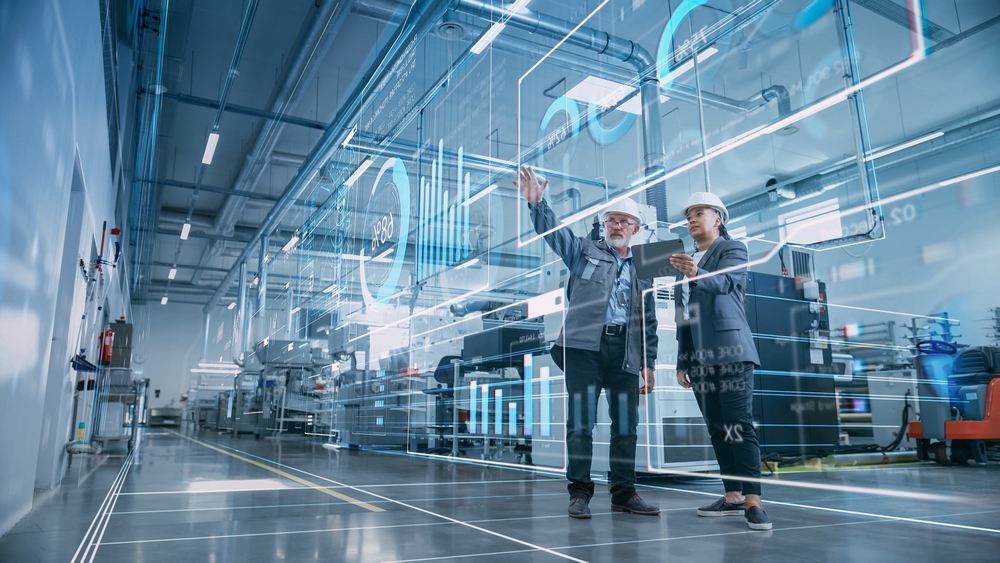
IT Facility Management Services - Optimizing Operations: The Importance of IT Facility Management
- by Spaceone Global Technology Private Limited
Introduction
Defining IT Facility Management
Hardware Management
Effective management of servers, storage devices, and other hardware components to ensure optimal performance and reliability
Software Management
Monitoring and maintaining software applications, operating systems, and security updates to ensure seamless functionality and data integrity.
Network Management
Overseeing and optimizing network infrastructure, including routers, switches, and firewalls, to ensure efficient data communication and secure access.
Facility Management
Managing and maintaining physical IT facilities, such as data centers, server rooms, and cabling infrastructure, to ensure optimal operating conditions.
Benefits of IT Facility Management
Increased Operational Efficiency
By streamlining IT processes and proactively addressing potential issues, IT facility management services help organizations maximize operational efficiency, reducing downtime and ensuring continuity of critical business functions.
Cost Optimization
Effective IT facility management can help organizations optimize their IT budgets by identifying areas for cost savings, such as energy management, hardware consolidation, and preventive maintenance.
Enhanced Security and Compliance
IT facility management services ensure that an organization's IT infrastructure and data are secure, compliant with industry regulations, and protected from cyber threats and data breaches.
Scalability and Flexibility
By proactively managing IT resources, organizations can easily scale their infrastructure to accommodate growth or adapt to changing business needs, fostering agility and flexibility
Key Components of IT Facility Management
Asset Management
Effective asset management involves tracking and managing an organization's IT assets, including hardware, software, and licenses. This ensures efficient resource allocation, accurate inventory management, and compliance with licensing agreements.
Change Management
Change management processes are crucial for ensuring that any changes or updates to an organization's IT infrastructure are planned, documented, and implemented seamlessly, minimizing disruptions and ensuring continuity of operations.
Incident Management
Incident management focuses on proactively identifying, responding to, and resolving ITrelated incidents or issues before they escalate and impact business operations. It involves monitoring, troubleshooting, and implementing solutions to minimize downtime and ensure business continuity.
Proactive Maintenance and Monitoring
One of the key aspects of IT facility management is proactive maintenance and monitoring. This involves regularly scheduled maintenance tasks, such as software updates, hardware checks, and system backups, to ensure that IT systems are running smoothly and potential issues are identified and addressed before they escalate.
Continuous monitoring of IT infrastructure, including servers, networks, and applications, allows for real-time visibility into system performance and potential vulnerabilities. Advanced monitoring tools and techniques, such as predictive analytics and machine learning, can help identify patterns and potential issues before they occur, enabling proactive remediation and minimizing downtime.
Disaster Recovery and Business Continuity Planning
01. Risk Assessment
02. Plan Development
03. Testing and Validation
04. Implementation
Vendor Management and Partnerships
Vendor Selection
Carefully evaluating and selecting trusted vendors and partners based on their expertise, reputation, and alignment with the organization's goals and requirements.
Contract Negotiation
Negotiating favorable terms and service level agreements (SLAs) with vendors to ensure optimal service quality, responsiveness, and value for money
Collaboration and Knowledge Sharing
Fostering open communication and knowledge sharing with vendors to stay informed about industry best practices, emerging technologies, and potential solutions to address organizational challenges.
IT Facility Management and Green Initiatives
Energy Management
Implementing energy-efficient practices, such as virtualization, consolidation, and power management, to reduce energy consumption and associated costs.
E-waste Management
Proper disposal and recycling of obsolete or end-of-life IT equipment to minimize environmental impact and comply with regulations.
Green IT Initiatives
Adopting green IT practices, such as using renewable energy sources, implementing data center cooling optimization strategies, and promoting environmentally conscious procurement policies.
IT Facility Management and Compliance
| Compliance Area | Description |
| Data Privacy and Security | Ensuring compliance with data protection regulations, such as GDPR and CCPA, by implementing appropriate security measures and data handling procedures. |
| Industry-Specific Regulations | Meeting compliance requirements specific to industries like healthcare (HIPAA), finance (PCI DSS), and government (FedRAMP). |
| Environmental Regulations | Adhering to environmental regulations related to e-waste disposal, energy consumption, and greenhouse gas emissions. |
| Corporate Governance | Aligning IT operations with corporate governance policies, risk management frameworks, and internal controls. |
IT Facility Management and Cloud Computing
Cloud Migration
Assisting organizations in migrating their IT infrastructure and workloads to the cloud, ensuring a smooth transition and minimizing disruptions to business operations.
Cloud Optimization
Optimizing cloud resource allocation, monitoring usage patterns, and implementing costsaving strategies to maximize the benefits of cloud computing.
Cloud Security
Implementing robust security measures, access controls, and data protection mechanisms to safeguard cloud-based applications, data, and infrastructure.
IT Facility Management and Emerging Technologies
Internet of Things (IoT)
Managing and securing IoT devices, networks, and data streams to enhance operational efficiency, enable real-time monitoring, and drive datadriven decision-making.
Artificial Intelligence (AI) and Machine Learning
Leveraging AI and machine learning technologies for predictive maintenance, intelligent automation, and advanced analytics to optimize IT operations and drive innovation.
5G and Edge Computing
Implementing and managing 5G networks and edge computing infrastructure to enable low-latency applications, real-time data processing, and enhanced connectivity for remote operations.
Choosing the Right IT Facility Management Provider
Expertise and Experience
Assess the provider's expertise, industry experience, and track record in delivering effective IT facility management services to organizations with similar requirements.
Service Offerings and Capabilities
Evaluate the range of services offered by the provider and ensure they align with your organization's current and future IT needs, including support for emerging technologies.
Scalability and Flexibility
Consider the provider's ability to scale their services and adapt to your organization's changing requirements, ensuring seamless growth and flexibility.
IT Facility Management and Cost Optimization
01. IT Asset Management
02. Energy and Power Management
03. Cloud and Virtualization Strategies
04. Vendor and Contract Negotiations
IT Facility Management and Talent Management
Recruitment and Hiring
Implementing effective recruitment strategies to identify and attract highly skilled IT professionals with the necessary technical expertise and problemsolving abilities.
Training and Development
Providing ongoing training and professional development opportunities to ensure that IT personnel stay up-to-date with the latest technologies, best practices, and industry trends.
Retention and Engagement
Fostering a positive work environment, offering competitive compensation and benefits, and providing opportunities for growth and career advancement to retain top IT talent.