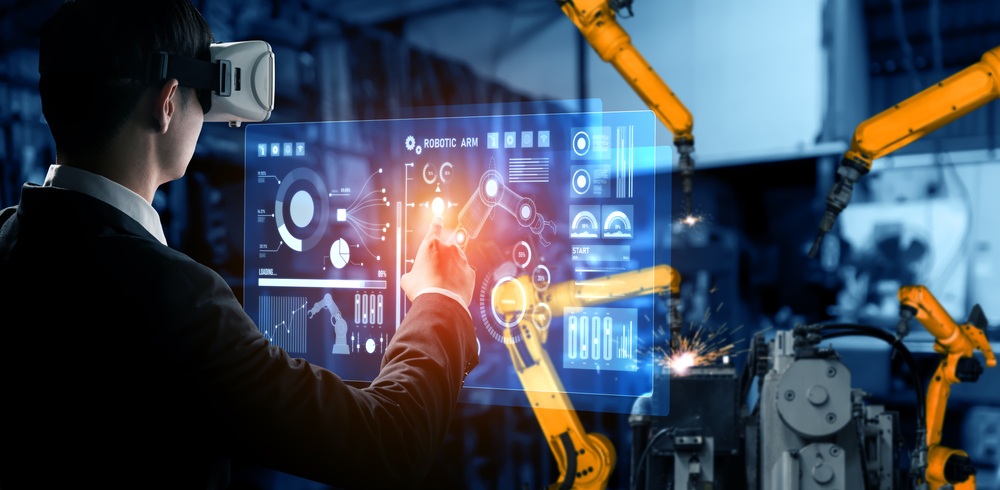
Advanced,Robot,Arm,System,For,Digital,Industry,And,Factory,Robotic

Connecting the Dots Exploring the Impact of IoT and Virtualization

Connecting the Dots: Exploring the Impact of IoT and Virtualization

In today’s rapidly evolving digital landscape, the Internet of Things (IoT) and virtualization technologies are paving the way for unprecedented efficiency, connectivity, and innovation. This comprehensive guide delves into the transformative power of these cutting-edge technologies, exploring their intricate interplay and the profound impact they have on businesses across various industries. Brace yourself for an insightful journey that will unravel the limitless possibilities of IoT and virtualization, empowering you to harness their full potential and stay ahead of the curve.
- by Spaceone Global Technology Private Limited

Demystifying the Internet of Things (IoT)

The Internet of Things (IoT) is a vast ecosystem of interconnected devices, sensors, and systems that seamlessly communicate and exchange data over the internet. From smart homes and wearable tech to industrial automation and smart cities, IoT is revolutionizing the way we live, work, and interact with our surroundings. By leveraging the power of real-time data collection and analysis, IoT enables businesses to gain unprecedented insights, optimize processes, and deliver personalized experiences to their customers.

Unveiling the Wonders of Virtualization

Virtualization is the art of creating virtual versions of physical resources, such as servers, storage, networks, and even entire computing environments. By decoupling software from hardware, virtualization empowers businesses to maximize resource utilization, reduce costs, and accelerate scalability. This technology has revolutionized data center operations, enabling seamless workload migration, efficient disaster recovery, and a heightened level of agility in responding to ever-changing business demands.

Server Virtualization

Consolidate multiple physical servers into virtual machines, optimizing resource utilization and reducing hardware costs.

Storage Virtualization

Abstract physical storage from multiple resources, creating a centralized pool of virtual storage for efficient data management.

Network Virtualization

Decouple network services from dedicated hardware, enabling flexible and scalable network resource allocation.

The Convergence of IoT and Virtualization

While IoT and virtualization may seem like distinct technologies, their convergence unlocks a world of possibilities. By integrating virtualized computing resources with IoT devices and sensors, businesses can harness the power of edge computing, enabling real-time data processing and decision-making closer to the source. This synergy optimizes performance, reduces latency, and enhances security, paving the way for intelligent, responsive, and highly efficient IoT solutions.

IoT Devices

Sensors, actuators, and smart devices collect and transmit data from the physical world.

Edge Computing

Virtualized resources at the network edge process and analyze data in real-time.

Cloud Integration

Data insights and workloads are seamlessly integrated with cloud services and applications.

Enhancing Operational Efficiency with IoT and Virtualization

By embracing the power of IoT and virtualization, businesses can streamline their operations and unlock unprecedented levels of efficiency. Real-time data insights from IoT devices can be seamlessly integrated with virtualized computing resources, enabling intelligent automation, predictive maintenance, and optimized resource allocation. This synergy translates into reduced downtime, minimized operational costs, and maximized productivity, giving companies a competitive edge in their respective industries.

Data Collection

IoT sensors and devices capture real-time data from various sources, providing a comprehensive view of operations.

Data Processing

Virtualized computing resources process and analyze the collected data, identifying patterns, trends, and potential issues.

Intelligent Automation

Automated systems and processes are triggered based on the analyzed data, optimizing operations and minimizing human intervention.

Revolutionizing Supply Chain Management

The convergence of IoT and virtualization has the potential to revolutionize supply chain management, enabling businesses to gain unprecedented visibility and control over their operations. By leveraging IoT sensors and devices, companies can track assets, monitor environmental conditions, and optimize logistics in real-time. Virtualized computing resources facilitate seamless data integration, analytics, and decision-making, empowering businesses to respond swiftly to changing demands and mitigate potential disruptions.

Asset Tracking

Monitor the location and condition of goods throughout the supply chain, ensuring timely delivery and minimizing losses.

Environmental Monitoring

Maintain optimal conditions for perishable goods by continuously monitoring temperature, humidity, and other environmental factors.

Predictive Analytics

Leverage data insights to anticipate demand patterns, optimize inventory levels, and proactively address potential bottlenecks.

Empowering Smart Cities with IoT and Virtualization

The fusion of IoT and virtualization is the driving force behind the creation of smart cities – urban environments that leverage advanced technologies to enhance sustainability, efficiency, and quality of life. By integrating IoT sensors and devices with virtualized computing resources, cities can monitor and manage critical infrastructure, optimize resource allocation, and deliver personalized services to their residents. This transformative approach paves the way for intelligent transportation systems, efficient energy management, and proactive public safety measures, ensuring a harmonious balance between urban development and environmental sustainability.

Securing the IoT-Virtualization Ecosystem

As IoT and virtualization technologies become increasingly intertwined, addressing security concerns is paramount. With a vast network of connected devices and virtualized resources, the attack surface expands, necessitating robust security measures. By implementing comprehensive security protocols, including data encryption, access controls, and advanced threat detection mechanisms, businesses can safeguard their IoT-virtualization ecosystem, ensuring the integrity and confidentiality of sensitive data while mitigating the risk of cyber threats

Data Encryption

Encrypt data both in transit and at rest to prevent unauthorized access and ensure data privacy.

Access Controls

Implement robust authentication and authorization mechanisms to restrict access to critical resources and data.

Threat Detection

Deploy advanced security analytics and threat intelligence solutions to detect and respond to potential cyber threats promptly
Embracing Sustainability with IoT and Virtualization

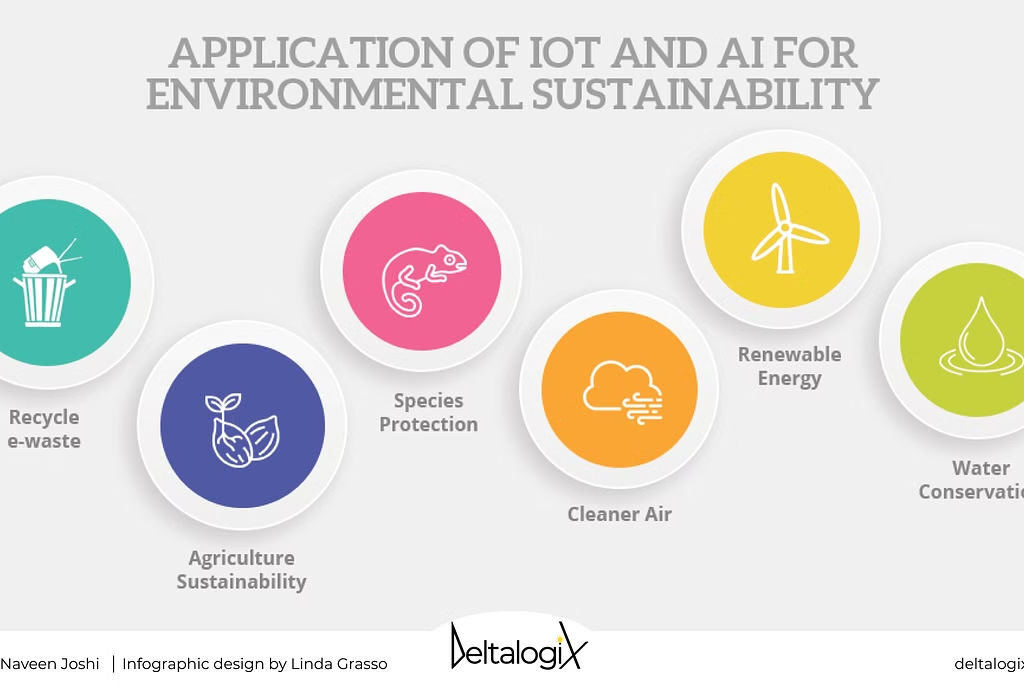
The convergence of IoT and virtualization presents a unique opportunity to drive sustainable practices and reduce environmental impact. By leveraging IoT sensors and devices to monitor energy consumption, water usage, and carbon footprint, businesses can gain valuable insights and implement datadriven strategies to minimize resource waste. Virtualized computing resources further contribute to sustainability efforts by reducing the need for physical hardware, optimizing energy usage, and minimizing e-waste.

Enhancing Healthcare with IoT and Virtualization

The healthcare industry is poised to benefit significantly from the convergence of IoT and virtualization technologies. By integrating IoT-enabled medical devices and wearables with virtualized computing resources, healthcare providers can remotely monitor patients, collect real-time health data, and deliver personalized care. This approach not only improves patient outcomes but also streamlines healthcare operations, reduces costs, and enhances accessibility to quality medical services, particularly in remote or underserved areas.

Remote Patient Monitoring

Continuously track vital signs, medication adherence, and overall health status using IoT-enabled devices and wearables.

Telehealth Services

Leverage virtualized computing resources to facilitate virtual consultations, enabling patients to access medical expertise from anywhere.

Data-Driven Decision Making

Analyze real-time patient data and leverage insights to personalize treatment plans and optimize healthcare delivery

Unleashing Innovation in Manufacturing

The convergence of IoT and virtualization is poised to revolutionize the manufacturing industry, ushering in a new era of smart factories and intelligent production processes. By integrating IoT sensors and devices with virtualized computing resources, manufacturers can gain unprecedented visibility into their operations, optimize resource allocation, and implement predictive maintenance strategies. This synergy enables realtime monitoring, data-driven decision-making, and seamless collaboration across the entire manufacturing value chain, resulting in increased efficiency, reduced downtime, and enhanced product quality.

Unlocking the Power of Edge Computing

Edge computing, a paradigm where data processing and analysis occur closer to the source of data generation, is a pivotal component of the IoT-virtualization convergence. By deploying virtualized computing resources at the network edge, businesses can process and analyze data in real-time, minimizing latency and reducing the need for data transmission to centralized cloud environments. This approach enables rapid decision-making, enhances responsiveness, and optimizes performance for timecritical applications, such as autonomous vehicles, industrial automation, and remote healthcare monitoring.

IoT Devices

Sensors and devices collect data from the physical world.

Edge Computing

Virtualized resources process and analyze data in real-time, enabling rapid decision-making

Cloud Integration

Non-critical data and workloads are seamlessly integrated with cloud services and applications.

Empowering Retail with IoT and Virtualization

The retail industry is poised to benefit greatly from the convergence of IoT and virtualization technologies. By leveraging IoT sensors and devices, retailers can gain valuable insights into customer behavior, inventory management, and store operations. Virtualized computing resources facilitate seamless data integration, enabling real-time analytics and personalized customer experiences. This synergy allows retailers to optimize inventory levels, enhance supply chain efficiency, and deliver tailored recommendations and promotions, ultimately driving customer satisfaction and loyalty

Fostering Collaboration with IoT and Virtualization

The convergence of IoT and virtualization technologies has the potential to revolutionize collaboration and communication within organizations. By integrating IoT devices and sensors with virtualized computing resources, businesses can create intelligent meeting rooms, collaborate in real-time, and leverage data-driven insights to enhance decision-making processes. This seamless integration fosters a culture of innovation, enabling teams to collaborate effectively, regardless of geographic location, and drive organizational growth through informed and timely decision-making.

Intelligent Meeting Rooms

IoT-enabled sensors and virtualized resources create smart meeting spaces that optimize lighting, temperature, and audio-visual settings for an enhanced collaborative experience.

Real-Time Collaboration

Virtualized computing resources facilitate seamless real-time collaboration, enabling teams to share data, documents, and insights across multiple locations.

Data-Driven Insights

Leverage data insights from IoT devices and virtualized resources to inform decisionmaking processes and drive organizational growth.

Accelerating Digital Transformation

The convergence of IoT and virtualization is a driving force behind digital transformation initiatives across industries. By leveraging these technologies, businesses can streamline processes, enhance operational efficiency, and deliver innovative products and services. Virtualized computing resources enable organizations to rapidly adopt and scale new technologies, while IoT devices and sensors provide a constant stream of data insights, enabling data-driven decision-making and continuous improvement. This synergy empowers businesses to embrace digital transformation, remain agile, and stay competitive in an ever-evolving digital landscape.

Enabling Intelligent Transportation Systems

The fusion of IoT and virtualization is paving the way for intelligent transportation systems that optimize traffic flow, enhance safety, and reduce environmental impact. By integrating IoT sensors and devices with virtualized computing resources, transportation authorities can monitor and manage traffic patterns in realtime, implement dynamic route optimization, and provide accurate travel information to commuters. This approach not only improves the overall transportation experience but also contributes to sustainable urban mobility by reducing congestion, minimizing emissions, and promoting the efficient use of transportation infrastructure.

Data Collection

IoT sensors and devices collect real-time data on traffic patterns, road conditions, and vehicle locations.

Data Analysis

Virtualized computing resources process and analyze the collected data, identifying potential bottlenecks and optimizing traffic flow.

Route Optimization

Intelligent algorithms and systems dynamically adjust traffic signals, provide route guidance, and manage traffic flow based on the analyzed data.

Commuter Experience

Real-time travel information and personalized route recommendations are delivered to commuters, enhancing their transportation experience.

Unleashing the Potential of Predictive Maintenance

The convergence of IoT and virtualization revolutionizes predictive maintenance strategies, enabling businesses to proactively identify and address potential equipment failures before they occur. By integrating IoT sensors and devices with virtualized computing resources, organizations can continuously monitor asset performance, collect real-time data, and leverage advanced analytics to detect anomalies and predict maintenance needs. This proactive approach minimizes downtime, reduces maintenance costs, and extends the lifespan of critical assets, ultimately enhancing operational efficiency and productivity.

Comments are closed.